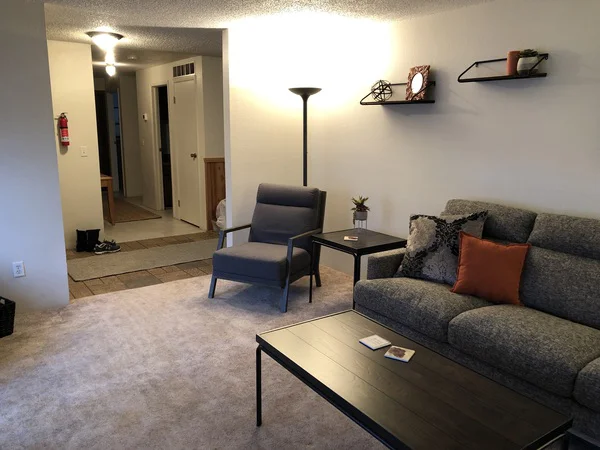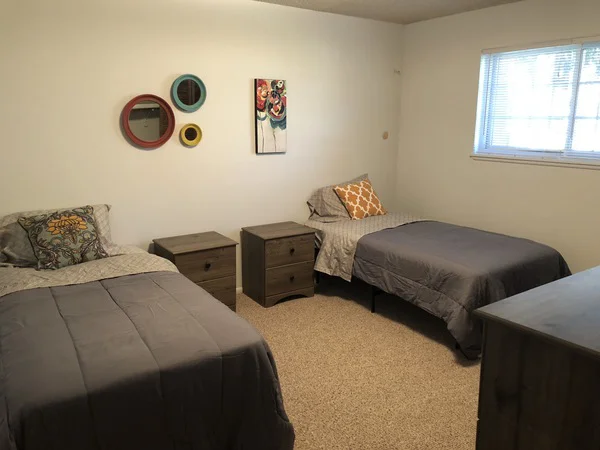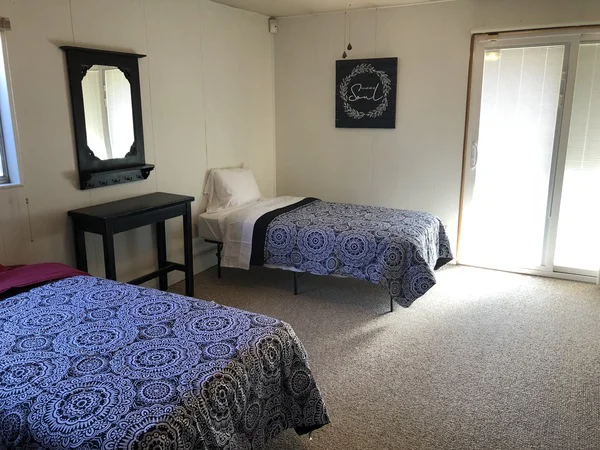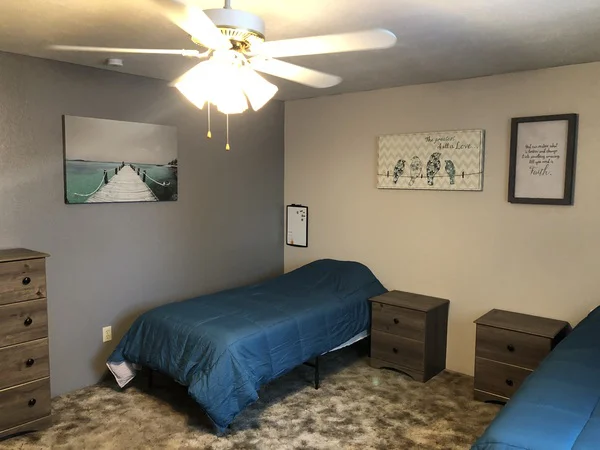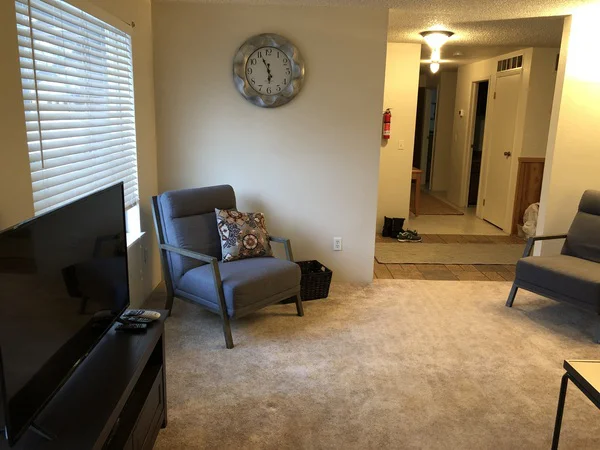
Finding the right sober living home is a pivotal step in your recovery journey. For individuals and families in Boise, Idaho, understanding how to choose the best facility that meets unique needs is vital. In this comprehensive guide, we’ll break down the process into actionable steps to help empower you to make informed decisions—whether you’re seeking sober living for men, sober living for women, or a mixed recovery home. With your well-being and sobriety in mind, let’s explore how to navigate this important transition.

Step 1: Assess Your Needs
Before beginning your search, it’s essential to take sufficient time to assess your personal needs or those of your loved one. Conducting a thorough self-evaluation creates a strong foundation for your recovery journey. Consider and ask the following questions:
– What level of support is necessary? Identify whether you need therapeutic support, peer counseling, or merely a safe space to stay that fosters sobriety. Understanding this requirement can guide your search effectively.
– Are you looking for a gender-specific environment? Many sober living homes in Boise cater specifically to men or women. Identifying your preferences will help narrow down your options. Some studies indicate that gender-specific environments can encourage more open and honest communication among residents.
– What location do you prefer? Consider whether you want to remain close to family, your workplace, or important community resources. The geographical location can play a significant role in your recovery experience, providing access to support groups or treatment centers nearby.
– Are there specific amenities or features you desire? Make a list of amenities that are meaningful to you. For instance, do you want a facility that offers recreational activities, group therapy, cooking classes, or transportation services? Defining these aspects will help create a clearer picture of your ideal sober living environment.
Taking the time to answer these questions will not only clarify your requirements but also empower you to approach the subsequent steps with confidence.
Step 2: Research Local Options
Boise offers various sober living facilities that cater to different needs. Performing thorough research as you explore your options is critical in ensuring you select the best fit for you. Start with online directories dedicated to substance abuse recovery:
– Idaho Substance Abuse Services A resource that provides valuable information on local sober living homes and rehabilitation resources.
– Rehabs.com: A helpful resource for searching and comparing sober living options based on location and services offered.
– SAMHSA’s Treatment Locator : An online tool that allows users to find treatment facilities, including sober living homes, specifically in Boise.
Make a list of potential sober living homes, categorize them based on your specific needs, and keep track of which facilities align with your recovery goals.
Step 3: Visit the Facilities
Once you’ve narrowed down your choices to a few suitable sober living homes, it’s time to arrange visits. This step is crucial in the decision-making process. During your visit, take note of the following aspects:
Environment and Cleanliness
Observe whether the home is well-maintained and organized. A clean and inviting space often reflects the care and attention provided by the staff. Look for signs of routine maintenance and upkeep; a neglected environment can impact morale among residents.
Staff Interaction
Pay attention to how staff members interact with residents. Compassionate, knowledgeable, and supportive staff can significantly impact your experience in sober living. Observe whether staff members are approachable and willing to engage in conversations about recovery.
Activities and Support Services
Inquire about the types of activities or therapies available to residents. Are there opportunities for physical activities, group discussions, or life skills training? Having a variety of enriching activities can greatly enhance the daily experience and foster a supportive community.
Resident Interaction
Observe how residents interact with one another. A positive and healthy community is integral to the recovery process. Are residents supportive of one another? A sense of camaraderie among residents can encourage sobriety and friendship.
Use your observations to gauge whether the facility feels like a good fit for you or your loved one.
Step 4: Inquire About Programs and Support
Different sober living homes provide various levels of support and programming that can significantly influence your recovery journey. Knowing the available resources will be crucial for your success:
Counseling Services
Ask about the qualifications of the staff members providing therapeutic support. Are licensed mental health professionals available? Inquire whether the facility incorporates evidence-based practices and whether they offer both individual and group therapy sessions.
Group Meetings
Understanding the frequency and type of mandatory group meetings is vital. Are residents required to attend Alcoholics Anonymous (AA) or Narcotics Anonymous (NA) meetings regularly? Group meetings can foster a sense of accountability and belonging.
Life Skills Training
Many facilities offer programs to help residents develop essential life skills, such as resume building, interview preparation, financial literacy, and effective communication skills. Learning these skills can aid in reintegrating into society after recovery and promote independence.
Rules and Regulations
Each sober living home comes with its own set of rules. It is important to understand the house rules, including curfews, visitor policies, and expectations for sobriety. Some homes may have a zero-tolerance policy regarding substance use, while others may have a more flexible approach.
These factors will greatly influence your daily life while in sober living and support your recovery process.
Step 5: Discuss the Cost and Financing Options
Understanding the cost of sober living is essential, as fees can vary widely depending on the facility. It’s important to inquire about the total cost, any additional fees, and payment options available. Key considerations include:
Basic Fees
What is the monthly cost? Does this include meals, utilities, and support services, or are they extra? Clarifying what is covered in the fees will help you accurately assess your budget and make necessary financial preparations.
Step 6: Seek Feedback from Current Residents or Families
If possible, seek feedback from current or former residents and their families. Conversations with individuals who have firsthand experience can provide valuable insights into the home’s strengths and weaknesses, helping you make a more informed decision.
– Online Reviews: Search for online reviews on platforms like Google, Yelp, or Facebook. These reviews can provide unbiased perspectives on the experiences of previous and current residents.
– Testimonials: During your visit, ask the manager if they can provide testimonials or references from previous residents who have successfully transitioned to independence.
– Support Networks: If you’re part of any local recovery or support organizations, consider reaching out for recommendations from those who may have insights into the local sober living landscape.
Step 7: Trust Your Instincts
Ultimately, trusting your gut feeling is important. The right sober living
home should evoke a sense of comfort and safety. The ambiance, interactions with staff, and the overall energy of the place should resonate positively with you. If something about the facility feels off—whether in terms of the environment, the way staff engage with residents, or the community vibe—don’t hesitate to keep looking. Finding the right match is crucial for your recovery journey.
Additional Considerations in Choosing a Sober Living Home
While the steps outlined above provide a comprehensive framework for choosing a sober living home, there are additional aspects to keep in mind to enhance your decision-making process further:
Length of Stay and Transition Support
Understanding the policies regarding the length of stay is essential. Some sober living homes may have a minimum or maximum stay requirement, which can affect your transition plans. Additionally, inquire about the availability of transitional support programs. Some facilities offer guidance to help you navigate the reintegration process, which can include assistance with job searches or further education opportunities.
Focus on Holistic Wellness
Look for sober living homes that incorporate holistic wellness practices alongside traditional recovery approaches. Many facilities offer activities such as yoga, meditation, nutritional counseling, and mindfulness workshops. Engaging in these practices can greatly enhance your personal development and contribute to overall well-being during your recovery journey.
Community Connections
A sober living home that is well-connected within the local community can provide additional resources and support. Inquire about partnerships with local organizations, support groups, and recovery-focused events in Boise. Strong community ties can facilitate a smoother transition and improve your chances of achieving lasting sobriety.
Alumni Programs
Many effective sober living homes offer alumni programs that maintain connections with former residents. These programs provide ongoing support, networking opportunities, and a sense of belonging even after leaving the facility. Staying connected with the sober community can be crucial as you navigate life post-recovery.
The Role of Family in Recovery
When choosing a sober living home, it’s also important to consider the role of family in the recovery process. Families often face their own challenges when a loved one is struggling with addiction. Engaging family members in the decision-making process can foster a supportive environment for everyone involved. Consider discussing the following points with family members:
– Family Involvement: Are family members encouraged to take part in the recovery process? Some sober living homes may offer family therapy sessions or workshops to help rebuild trust and communication.
– Communication Policies: Discuss how communication between residents and their families will be handled. Establishing clear communication channels can help to strengthen family connections during this critical time.
– Visiting Guidelines: Understanding the visiting policies can also be important for both residents and their families. Knowing when and how family can visit can help ease anxiety and strengthen support.
Preparing for the Transition to Sober Living
Once you’ve selected the ideal sober living home, the next critical step is preparing for your transition. This process can involve several key aspects:
Gathering Necessary Documentation
Most sober living homes require certain documentation for admission. Be sure to prepare the following:
– Identification: Valid government-issued ID, such as a driver’s license or passport.
– Insurance Information: If applicable, bring your insurance card or relevant information about your plan.
– Release of Information: Some facilities may require permission to contact your previous treatment providers. Be prepared to fill out any necessary forms.
Packing and Moving
Take the time to pack your belongings thoughtfully. Consider bringing items that will make your stay comfortable and homelike. Essential items may include:
– Clothing: Pack enough clothing for various activities, including both formal and casual attire, along with adequate undergarments and sleepwear.
– Personal Items: Include toiletries, any necessary medications, and comfort items like books or personal mementos.
– Journals: Journaling can be a therapeutic practice during recovery. Consider packing a journal to help track your thoughts and progress.
Setting Personal Goals
Establishing personal goals for your sober living experience can be powerful in maintaining focus and motivation. Write down what you hope to achieve during your time in the sober living home. These goals may include:
– Achieving a certain degree of sobriety.
– Developing specific life skills, such as financial management or communication.
– Establishing a daily routine that incorporates physical activity and mindfulness practices.
Coping Strategies During Your Stay
Every journey has its challenges, especially during the transition to sober living. Practicing effective coping strategies can help you navigate these challenges successfully:
1. Engage in Open Communication: Make it a priority to foster open communication with both staff members and fellow residents. Share your concerns and feelings, and offer support when others need it.
2. Practice Mindfulness: Engage in mindfulness practices, such as meditation or deep breathing exercises. These techniques can help you manage stress, anxiety, and cravings, fostering a sense of calm.
3. Develop a Routine: Establishing a daily routine can bring structure to your life. Incorporate activities that promote well-being, such as exercise, group therapy, and hobbies.
4. Set Boundaries: It’s essential to set personal boundaries during your stay. Ensure you are surrounded by individuals who support your sobriety and well-being.
5. Seek Additional Help: Don’t hesitate to reach out for help if you’re struggling emotionally or psychologically. Utilize the resources available within the sober living home and consider discussing your feelings with staff or fellow residents.