Introduction: Sobriety as a Bold, Radical Choice
Sobriety may seem like a quiet, personal journey—an intimate process of healing and renewal. But when viewed in the larger context of society and addiction, choosing sobriety is one of the most powerful acts of rebellion a person can undertake.
For many caught in the grip of substance abuse, addiction represents more than just a personal health challenge—it embodies an insidious societal cycle of stigma, marginalization, trauma, and despair. To break free from this cycle and declare a sober life is to defy the forces working against recovery and reclaim personal power.
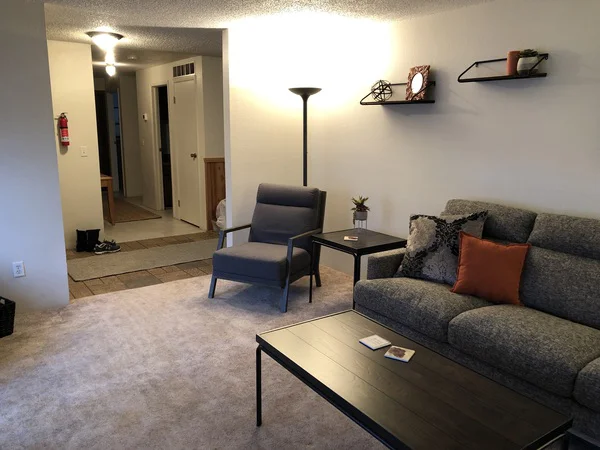
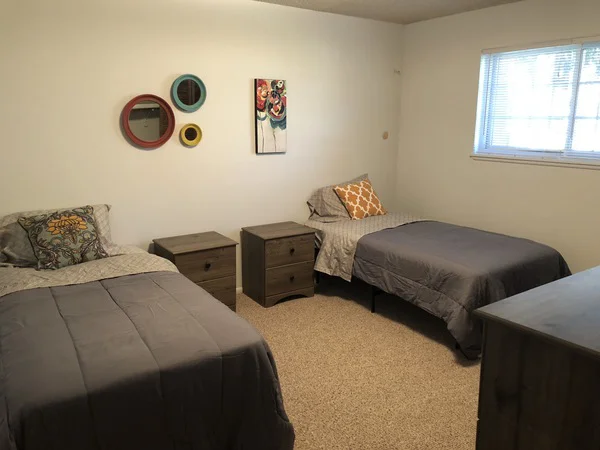
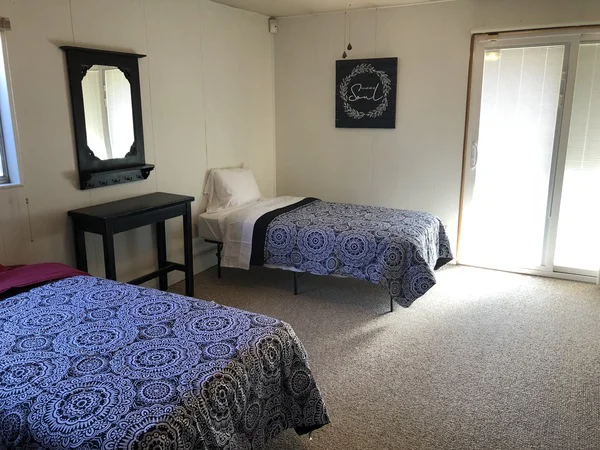
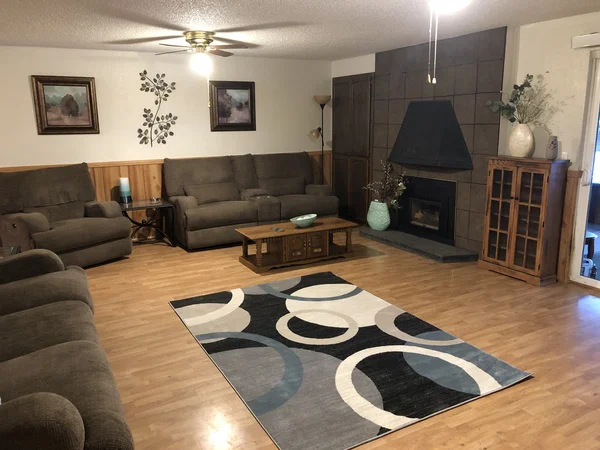
In Boise, Idaho, a city growing in recovery resources and community support, those who choose sobriety—especially within men’s and women’s recovery homes, halfway homes, and sober living environments—are not just healing: they are igniting a profound revolution. This post will explore why sobriety is the ultimate rebellion, how recovery homes foster this courageous defiance, and how Boise stands as a beacon of hope for those rising against addiction.
—
Substance Abuse vs. Sobriety: The Battle Beyond the Individual
Addiction touches countless individuals, families, and communities across Boise and nationwide. The physical dependency often masks even deeper struggles related to trauma, societal alienation, and systemic barriers.
For someone entrenched in substance abuse, addiction becomes a narrative told by the world and sometimes internalized by the individual—of brokenness, failure, and worthlessness. Accepting this story, many spiral deeper into isolation and despair.
Choosing sobriety is rejecting this imposed identity. It’s an outright *no* to self-hatred and societal judgment, a breaking of the invisible chains addiction places not only on the body but also on the mind and spirit. Sobriety transforms a person into a radical rebel, defying not only substances but the world that too often forsakes them.
—
Why Sobriety Is the Ultimate Act of Rebellion
1. Disrupting Social Stereotypes and Stigma
The label “addict” remains a heavy burden in many communities. Sober individuals dismantle this stereotype daily, constructing identities rooted in resilience, courage, and hope rather than shame.
Every day spent clean rewrites their story—from broken to brave, from lost to found—defying the limiting narratives society perpetuates.
2. Reclaiming Autonomy Over Body and Mind
Addiction robs a person of self-control, making them a prisoner to cravings and compulsions. Sobriety is an act of reclaiming authority over one’s body, mind, and spirit—a fierce refusal to be ruled by substances.
This rebellion against chemical dependency embodies ultimate self-mastery and freedom.
3. Building Connections in Defiance of Isolation
Addiction isolates; loneliness is a companion to many grappling with substances. In sobriety, individuals build authentic, healing communities.
Men’s recovery homes and women’s recovery homes provide vital environments of accountability, support, and fellowship. Through shared struggle and triumph, these homes defy isolation and spark new bonds of belonging.
4. Breaking Cycles of Dysfunction
Addiction often repeats over generations, affecting families and communities. Choosing sobriety stops this destructive chain, making the act revolutionary not just for the individual, but for future generations.
This rebellion breaks homes’ painful cycles, planting seeds of hope and renewal.
—
How Recovery Homes and Halfway Homes Fuel This Defiance
Choosing a recovery home or halfway home—especially in Boise—is more than seeking shelter or structure. It is joining a movement of resistance and transformation.
– Men’s recovery homes create safe, understanding spaces focusing on challenges linked with masculinity, trauma, and societal pressures.
– Women’s recovery homes provide nurturing environments designed to heal wounds unique to women, including trauma and caregiving stress.
– Halfway homes bridge the gap between inpatient treatment and full independence, delivering the resources and accountability critical for successful transition.
Within these homes, every group meeting, shared meal, chore, and milestone becomes an act of rebellion, fortifying residents against relapse and reclaiming their lives from addiction’s grip.
—
Boise’s Transformative Role in Supporting Sobriety
Boise is more than Idaho’s capital; it’s a growing hub of recovery. The city supports a thriving sober living culture through accessible treatment centers, active support groups, and community events built on acceptance and empowerment.
Available resources include:
– **Outpatient and counseling services** tailored to diverse needs
– **Peer support networks**, including chapter meetings and sober activities
– **Employment and housing assistance** programs aiding residents in rebuilding livelihoods
These layers of support toll a powerful bell of possibility, making sobriety as rebellious as it is reachable.
—
Challenges Along the Way: The Constant Rebellion
The road to sobriety is filled with challenges. Social pressures, relapse risk, and internal struggles test the commitment of those in sober living homes.
Each day sober is a victory, a pushback against the craving voices and old habits that seek to reclaim control.
Residents at Boise’s men’s recovery homes, women’s recovery homes, and halfway homes illustrate that recovery is a persistent act of rebellion—defying even the strongest temptations and doubts over and over again.
How You Can Support This Rebellion
Whether you’re a family member, friend, or community member, supporting sobriety is vital:
– Educate yourself about addiction as a disease, not a moral failure
– Offer compassion, patience, and encouragement
– Support local sober living initiatives and recovery groups
– Help reduce stigma through awareness and conversation
Supporting sober individuals amplifies their rebellious act and fosters stronger, healthier communities.
—
Conclusion: Join the Rising
Sobriety is much more than abstaining from substances. It is a revolutionary act—a fierce, unyielding rebellion against addiction, stigma, and despair.
In Boise, through the strength of sober living homes, men’s and women’s recovery homes, and halfway homes, that rebellion thrives. Every sober day is a declaration: I am more than my addiction. I am more than my past. I am rising, and so can you.
—
High-Quality References:
1. [Substance Abuse and Mental Health Services Administration (SAMHSA)](https://www.samhsa.gov)
2. [National Institute on Drug Abuse (NIDA)](https://nida.nih.gov)
3. [Boise Recovery Community Resources](https://boiserecovery.org)