Introduction
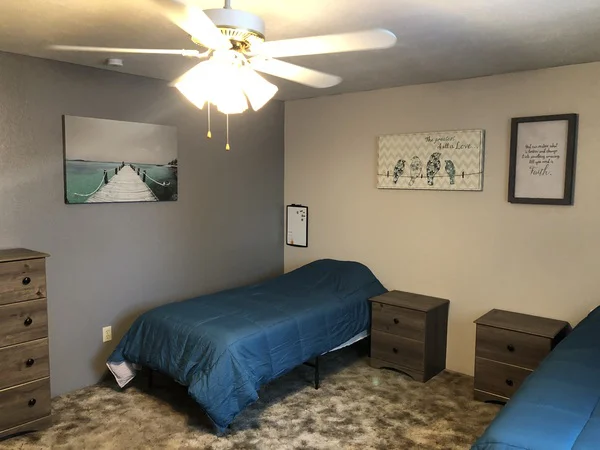
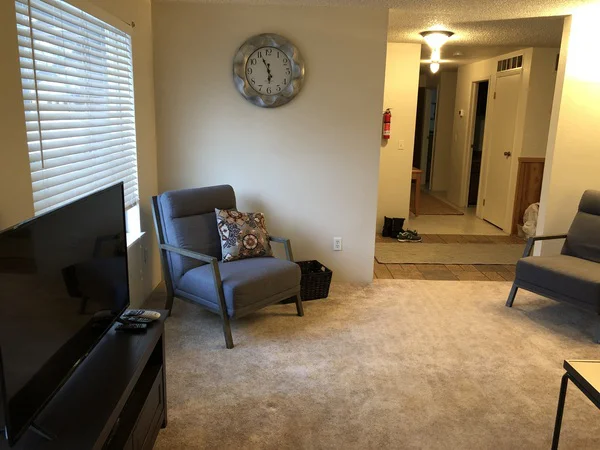
Recovery from substance use disorder is rarely a solo journey. Programs that pair clinical care with strong social support consistently deliver better outcomes for people pursuing substance abuse recovery and alcohol recovery. Phoenix House — a long-established nonprofit treatment provider — places relational connection at the center of its model, intentionally creating a family-like atmosphere that supports healing, accountability, and long-term sobriety. This blog post explores concrete, practical ways Phoenix House cultivates that atmosphere, how those practices reinforce recovery (including men’s sober living), and how the same principles can strengthen sober living in Boise and similar communities.
Why a family-like atmosphere matters in recovery
A family-like environment provides emotional safety, routine, mutual responsibility, and belonging — all essential elements for people rebuilding a life after addiction. Substance abuse often isolates people from supportive relationships, erodes trust, and disrupts daily structure. Rebuilding connection and dependable interpersonal networks reduces relapse risk by providing:
• Emotional regulation through supportive relationships.
• Accountability through peers and staff who notice early warning signs.
• Healthy modeling of coping skills and daily living.
• Opportunities to practice communication, trust, and responsibility.
Phoenix House intentionally translates these therapeutic benefits into real-world practices. Below are practical strategies they and similar programs use to create community, trust, and accountability.
1) Structured communal living that models healthy family dynamics
One of the hallmarks of Phoenix House’s residential approach is structure. Structured communal living provides consistent daily rhythms — meals, chores, group sessions, and recreational activities — that mirror many family routines and help residents relearn stability.
Practical elements:
• Shared meals: Regular communal meals foster conversation, reduce isolation, and create informal check-ins where staff and peers notice mood or behavior changes.
• Chore rotation and household responsibilities: Assigning shared tasks encourages cooperation, responsibility, and contribution, which rebuilds self-esteem and communal trust.
• Curfews and routines: Predictable daily schedules help residents rebuild sleep hygiene, time management, and a sense of safety.
These everyday rituals act like a family’s routine, giving residents both connection and a framework for accountability.
2) Peer support and mentorship: lived experience as a bridge to trust
Peer support is central to a family-like recovery environment. Phoenix House places emphasis on staff and volunteers who have lived experience with recovery. Peers can relate to setbacks, model long-term recovery, and offer hope in ways that purely clinical staff sometimes cannot.
Practical elements:
• Recovery coaches and peer mentors: One-on-one relationships with mentors provide a personal accountability partner who understands relapse triggers and recovery milestones.
• Peer-led groups: Meetings run by peers encourage openness and normalize struggles, reinforcing that recovery progresses through shared effort.
• Alumni involvement: Former residents return to share stories, offer mentorship, and celebrate milestones, showing that recovery is durable and attainable.
This peer-based approach cultivates mutual respect, reduces stigma within the house, and fosters a sense of extended family where everyone contributes to each other’s growth.
3) Integration of 12-step and mutual-aid communities (AA and NA)
Many Phoenix House programs encourage participation in Alcoholics Anonymous (AA) and Narcotics Anonymous (NA). The 12-step model emphasizes surrender, accountability, sponsorship, and service to others — all components that align closely with family-like dynamics.
Practical elements:
• Sponsor-sponsee relationships: Sponsors act like accountability relatives — offering guidance, checking in regularly, and modeling recovery behaviors.
• House meetings and step-study groups: Group reflection on the 12 steps in a communal setting creates shared values and a collective moral framework.
• Transportation and access to meetings: Programs often coordinate transport to local AA/NA meetings or host meetings on-site so residents can participate easily.
AA and NA add a broader community layer beyond the residential house, extending the sense of family into the larger recovery ecosystem.
4) Therapeutic groups that teach communication and conflict resolution
Family life requires negotiation, honest communication, and boundaries. Recovery residences modeled by Phoenix House provide frequent opportunities to practice these skills in a therapeutic, supervised setting.
Practical elements:
• Communication workshops: Role-play and didactic sessions teach assertiveness, active listening, and nonviolent communication — all critical for repairing relationships outside the house.
• Conflict mediation: Staff mediate disputes between residents, modeling healthy problem-solving and preventing resentments that can trigger relapse.
• Family therapy and reconciliation work: When appropriate, Phoenix House facilitates family sessions so residents can rebuild trust with loved ones in a supported setting.
Teaching relationship skills replaces unhealthy coping mechanisms with tools that sustain long-term recovery and a stable family-like atmosphere.
5) Clear rules and balanced accountability
A family offers both love and boundaries. Phoenix House balances empathy with clear expectations. Rules aren’t punitive; they create predictable consequences that help residents understand the link between behavior and outcomes.
Practical elements:
• Written house agreements: Expectations around substance use, visitors, chores, and curfews make accountability transparent.
• Graduated consequences: Minor infractions might lead to additional counseling; repeated significant violations can lead to program adjustments. This tiered system mirrors family discipline with an emphasis on learning and growth.
• Regular progress reviews: Weekly or biweekly check-ins ensure residents know where they stand and what goals to pursue next.
Consistency in expectations reduces anxiety and reinforces personal responsibility, a crucial aspect of a family-like recovery environment.
6) Individualized care within a communal framework
While family-like environments emphasize community, Phoenix House also delivers tailored clinical care. This integration of individualized treatment with group living ensures core psychological and medical needs are met.
Practical elements:
• Personalized treatment plans: Each resident receives treatment goals, therapy modalities, and aftercare plans tailored to their history and needs.
• Integrated behavioral health: Access to counseling, psychiatric care, and medication management when indicated supports holistic recovery.
• Case management: Staff work with residents to plan education, employment, and housing transitions — like a family helping an individual launch into independent life.
This combination of personalization within a community helps residents feel both supported as individuals and accountable as group members.
7) Emphasis on rebuilding life skills and community reintegration
A family prepares members for the world; Phoenix House emphasizes skill-building to support reintegration into society.
Practical elements:
• Job readiness and employment support: Resume help, interview practice, and job placement assistance provide pathways to independence.
• Education and vocational training: Access to GED classes, college counseling, or trade programs helps residents create a sustainable future.
• Community engagement: Volunteer projects and community service restore a sense of purpose and civic belonging, reinforcing the social values of a family unit.
These practical skills reduce the stressors that often trigger relapse and make sustained recovery more attainable.
8) Safe environment and trauma-informed care
A family-like atmosphere cannot flourish without physical and emotional safety. Phoenix House practices trauma-informed care to ensure residents feel respected, heard, and safe.
Practical elements:
• Training staff in trauma sensitivity: Staff understand common trauma reactions and avoid re-traumatizing practices.
• Confidentiality and respectful boundaries: Policies that protect privacy and dignity promote trust among residents.
• Calm spaces and de-escalation plans: Quiet rooms, outdoor areas, and protocols for managing crises help maintain a therapeutic environment.
When residents feel safe, they are more likely to participate, be vulnerable, and accept accountability in recovery.
9) Celebrations, rituals, and milestones
Families celebrate achievements; recovery communities do the same. Phoenix House recognizes milestones to strengthen identity, hope, and continuity.
Practical elements:
• Sobriety anniversaries: Celebrations for 30, 90, 180 days, and years reinforce progress and motivate others.
• Graduation ceremonies: Completing levels of care or moving into independent living is acknowledged publicly.
• Seasonal events and family nights: Festive gatherings encourage normal social interactions and build memories that replace substance-centered behaviors.
Recognizing success creates a positive feedback loop that binds community members together.
10) Aftercare, alumni networks, and long-term connection
A family doesn’t vanish after a member moves out. Phoenix House maintains alumni networks and aftercare planning to prevent isolation when residents transition.
Practical elements:
• Alumni groups and reunions: Former residents mentor current residents and remain available as supportive figures.
• Transitional housing and sober living referrals: Programs often help graduates move into sober living environments — including men’s sober living or mixed houses — that continue accountability.
• Continued case management and check-ins: Periodic follow-ups reduce the risk of relapse and help graduates navigate stressors.
These ongoing connections simulate a lifelong family network that supports sustained recovery.
Applying the Phoenix House model to sober living in Boise and other local communities
Whether you’re searching for sober living in Boise or exploring men’s sober living options elsewhere, the family-like principles described above are widely applicable:
• Local sober living houses can prioritize structured communal routines, peer mentorship, and clear house agreements to maximize accountability.
• Integrating local AA and NA meetings into house schedules strengthens community connections and access to sponsorship.
• Collaboration with local treatment providers, employment services, and housing programs accelerates reintegration, especially in smaller markets like Boise where resources must be coordinated.
For those in Boise seeking sober living, look for houses that emphasize community, offer recovery coaching, and maintain ties to mutual-aid networks — the same features Phoenix House leverages at scale.
Why mutual-aid groups (Alcoholics Anonymous and Narcotics Anonymous) remain vital
AA and NA provide accessible, peer-led support that complements formal treatment. Phoenix House frequently encourages participation because:
• They offer a wide, geographically dispersed network for ongoing support.
• Sponsorship relationships create long-term accountability similar to family mentorship.
• The ethos of service in AA/NA encourages residents to give back, reinforcing identity and purpose in recovery.
If you’re evaluating sober living options, confirm that the house fosters or facilitates access to AA and NA meetings and supports residents in finding sponsors.
Evidence-based reasons to favor community-based models
Research supports the idea that social support, structured environments, and peer engagement improve outcomes in substance abuse recovery. Recovery-oriented systems that include residential support, peer mentoring, and community integration reduce relapse rates, increase treatment retention, and improve quality of life. For authoritative resources on evidence-based recovery supports, see the Substance Abuse and Mental Health Services Administration (SAMHSA): and the National Institute on Drug Abuse (NIDA): https://nida.nih.gov/.
Resources and partnerships that strengthen recovery
Community partnerships amplify what a single program can accomplish. Phoenix House and similar organizations often partner with:
• Local recovery community organizations that provide job services and housing referrals.
• Mental health providers for integrated care.
• Criminal justice and social services for coordinated reentry planning.
For information about community-based recovery and awareness campaigns that support healthy relationships, see One Love Agency: https://www.oneloveagency.org/.
Choosing the right sober living environment
When evaluating houses — whether a Phoenix House program or local sober living in Boise — consider these practical questions:
• Is there a clear structure and routine (meals, chores, curfews)?
• Are peer mentors or staff with lived experience available?
• Does the house encourage or provide access to AA and NA?
• Are expectations and consequences clearly documented?
• Is trauma-informed care practiced?
• Is there an alumni network or aftercare planning for transitions?
• What supports exist for employment, education, and community reentry?
These criteria help you identify sober living options that combine family-like support with accountability and clinical care.
Conclusion: Family-like connection as the engine of sustainable recovery
Recovery is relational. Phoenix House’s approach demonstrates that a family-like environment — built from structure, peer mentorship, mutual aid, clinical care, and ongoing alumni connection — creates the trust, safety, and accountability people need to rebuild their lives. Whether you’re considering men’s sober living, exploring sober living in Boise, or supporting someone through substance abuse recovery or alcohol recovery, prioritize programs that foster connection, model healthy relationships, and integrate community-based supports like Alcoholics Anonymous and Narcotics Anonymous.
If you or a loved one are exploring sober living options, look for houses that pair compassionate support with clear boundaries and that maintain ties to local recovery networks. Sustainable sobriety doesn’t happen in isolation — it grows in community.
Further reading and resources
• SAMHSA — Recovery and Peer Support: https://www.samhsa.gov/
• National Institute on Drug Abuse — Treatment and Recovery Resources: https://nida.nih.gov/
• One Love Agency — community partnerships and recovery support: https://www.oneloveagency.org/