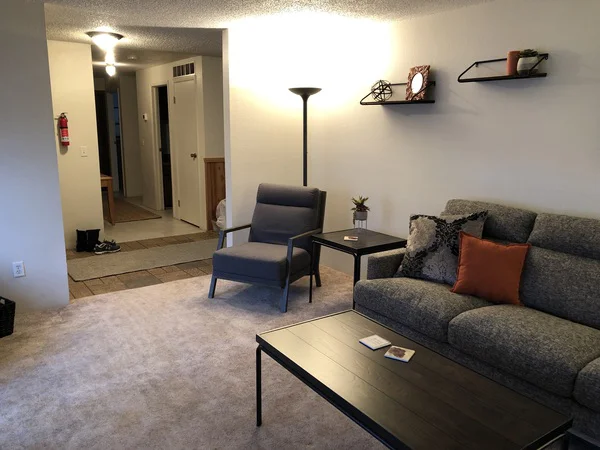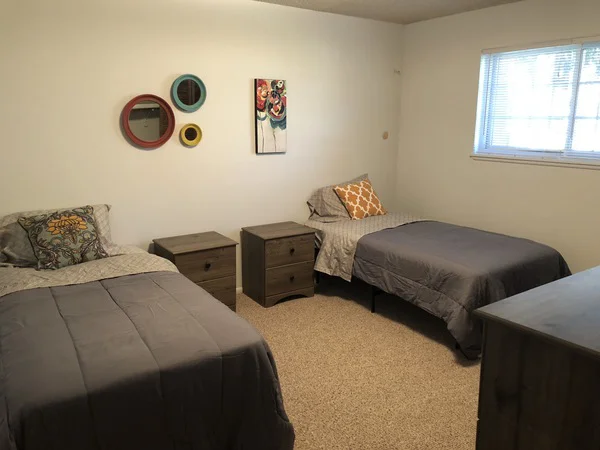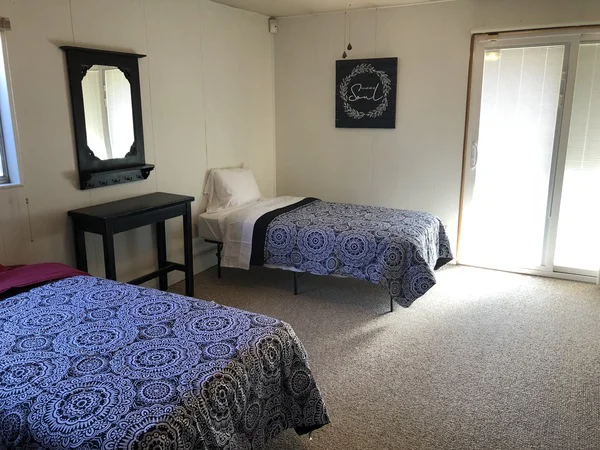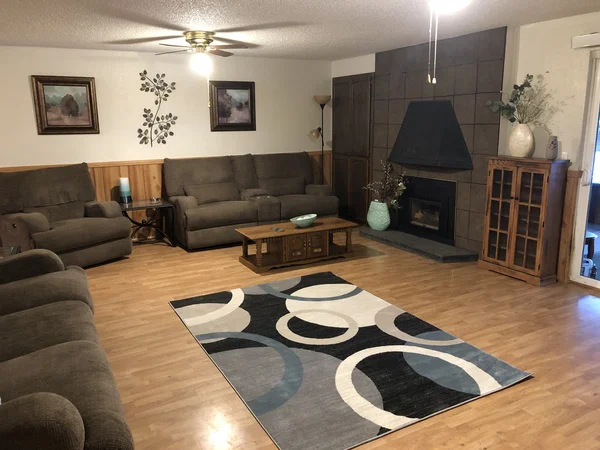
When people search online for phrases like “sober living home near me,” “sober living Boise,” or “halfway house Boise,” they are usually in a moment of urgency. A family member has just left treatment. A parole or probation officer needs a placement that won’t turn into a liability. Someone early in recovery is trying to find stable ground before everything falls apart again.
What most people do not realize is that the sober living industry has an extremely high failure rate.
Many sober living homes do not last more than a year or two. Some close quietly. Others remain open but create instability, relapse, and harm before eventually collapsing under their own weight. A few survive on paper but function as revolving doors where nothing truly changes.

The reality is that most sober living homes fail for predictable reasons. They fail because they are poorly structured, poorly supervised, and poorly led. They fail because they are treated as passive income opportunities rather than responsibility-heavy recovery environments. They fail because accountability is talked about but rarely enforced. They fail because nobody wants to make hard decisions.
Phoenix House has lasted more than ten years because we confronted these realities head-on. We did not assume good intentions were enough. We did not rely on hope as a strategy. We built systems designed to address the exact reasons most sober living homes fail.
This article explains those failures plainly and explains how Phoenix House operates differently. This is written for families, for parole and probation officers, for referral partners, and for men and women who are serious about recovery and want a sober living home that is built to last.
One of the most common reasons sober living homes fail is the absence of real structure. Many homes claim to have structure, but what they actually have are rules written down without consistent enforcement. Structure is not a list of expectations taped to a refrigerator. Structure is daily consistency, predictable routines, and clear consequences that are applied evenly. When structure is weak or inconsistent, people revert to old behaviors. In recovery housing, ambiguity creates instability, and instability leads to relapse.
At Phoenix House, structure is not negotiable.
Residents are expected to participate in house meetings, maintain employment or actively pursue it, contribute to the household, and follow clearly defined expectations. These expectations do not change based on who is watching or who is in charge that week. Consistency is what allows people coming out of substance abuse to regain a sense of safety and predictability in their lives.
Another major reason sober living homes fail is absentee ownership. Too many recovery homes are owned by individuals who live far away, rarely visit the property, and rely entirely on a single house manager to hold everything together. When ownership is distant, accountability erodes. House managers burn out or become authoritarian. Residents learn quickly how to manipulate weak systems. Problems are ignored until they become crises.
Recovery housing cannot be run like a passive real estate investment.
It requires active oversight, constant evaluation, and hands-on leadership. Phoenix House has endured because ownership remains involved. Oversight is built into the system, not delegated blindly. Leadership decisions are monitored, supported, and corrected when necessary. This level of involvement is not convenient, but it is essential.
Poor screening is another silent killer of sober living homes. Many homes accept residents simply because a bed is available. Readiness is ignored. Motivation is assumed rather than assessed. When residents who are not prepared for accountability are placed into sober living, the entire house suffers. The people who are genuinely trying to rebuild their lives are forced to live in chaos created by those who are not ready.
Phoenix House screens carefully because sober living is not appropriate for everyone at every stage. Saying no to someone who is not ready is not rejection. It is responsibility. Long-term recovery outcomes improve when the environment is stable and expectations are clear from day one.
Lack of accountability is another reason sober living homes collapse. Confrontation is uncomfortable, and many operators avoid it. Rules get bent to keep beds full. Relapse is hidden or minimized. Behavior that should be addressed immediately is rationalized. Over time, the culture shifts, and standards disappear.
At Phoenix House, accountability is immediate and consistent. Relapse is addressed decisively because safety matters. The integrity of the house matters. Compassion does not mean enabling, and dignity does not mean ignoring reality. Residents know where the line is, and they know it will be enforced every time.
The Single House Manager Model Falls Apart
One of the most overlooked problems in recovery housing is the reliance on a single house manager. When one person holds all authority, burnout becomes inevitable. Favoritism develops. Power struggles emerge. When that one person leaves, the house often collapses with them.
Phoenix House uses a peer council model instead. Leadership responsibilities are shared among multiple senior residents who have earned trust and demonstrated consistency. This model reduces burnout, creates checks and balances, and builds accountability at the peer level. People in recovery respond more honestly to peers than to top-down authority. Shared leadership creates ownership, and ownership creates stability.
Leadership Training in Sober Living.
Leadership without training is another reason sober living homes fail. Appointing someone to a leadership role without equipping them to handle conflict, communication, and boundaries leads to chaos. Phoenix House provides ongoing leadership training so that those in leadership roles understand how to enforce expectations while treating people with dignity. Training transforms authority into stewardship.
Structure at Phoenix House is paired with respect. We believe in structure with dignity. Rules exist to create safety, not to control. Consequences exist to reinforce accountability, not to shame. Residents are treated as adults who are capable of growth, responsibility, and change.
Many families and referral partners worry that structured sober living will feel harsh or punitive. In reality, chaos is what feels unsafe. Predictability creates relief. Clear expectations allow people to focus on rebuilding their lives rather than constantly navigating uncertainty.
Phoenix House focuses on long-term outcomes rather than short-term compliance. Our goal is not simply to keep beds full or avoid conflict. Our goal is to see residents move forward into stable employment, independent living, and sustained sobriety. Success is measured in months and years, not weeks.
This long-term focus is why parole officers, probation officers, counselors, and families trust Phoenix House. Communication is clear. Problems are addressed honestly. Relapse is not hidden. Rules are enforced consistently. Placement partners know exactly what to expect.
Many people searching for halfway house options in Boise do not realize there is a meaningful difference between traditional halfway houses and structured sober living homes. Some halfway houses provide little more than a roof and a curfew. Phoenix House operates as a sober living home with peer-led accountability, clear expectations, and active leadership. It is not a warehouse. It is a recovery environment.
Research consistently supports the effectiveness of well-run recovery housing. The National Institute on Drug Abuse highlights the importance of stable recovery environments in long-term sobriety outcomes, and the Substance Abuse and Mental Health Services Administration outlines best practices for recovery housing that emphasize accountability, peer support, and structure. These are not opinions or marketing claims. They are evidence-based conclusions supported by years of data. For those interested in deeper research, resources from the National Institute on Drug Abuse at https://nida.nih.gov/research-topics/recovery and the Substance Abuse and Mental Health Services Administration at https://www.samhsa.gov/find-help/recovery provide authoritative context.
Phoenix House has lasted more than ten years because we refused to cut corners. We built systems instead of relying on personalities. We valued accountability over popularity. We invested in leadership rather than hoping it would emerge on its own. We accepted that doing sober living the right way is harder than doing it cheaply.
Sober living done wrong damages people. It damages families. It damages trust with referral partners. Sober living done right creates stability, restores dignity, and saves lives.
If you are searching for sober living in Boise, sober living for men, sober living for women, recovery homes with accountability, or a legitimate alternative to unstable halfway houses, ask hard questions. Look beyond the surface. Demand structure. Demand leadership systems. Demand transparency.
Phoenix House welcomes those questions because our answers are backed by more than a decade of experience. We have seen what works, and we have seen what fails. We built our homes accordingly, and that is why we are still here.