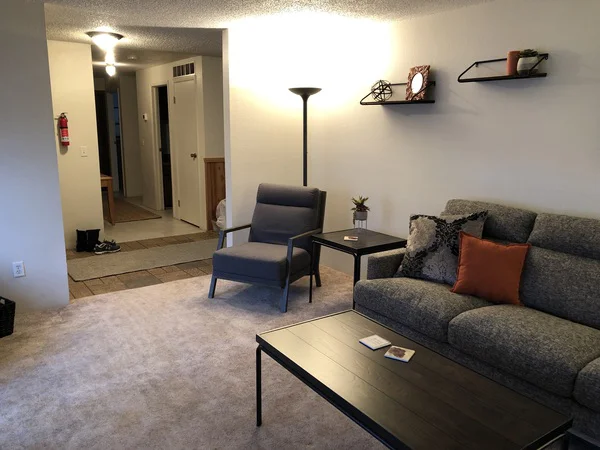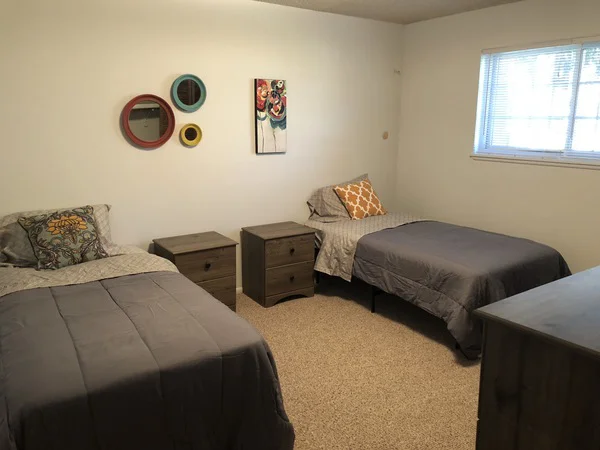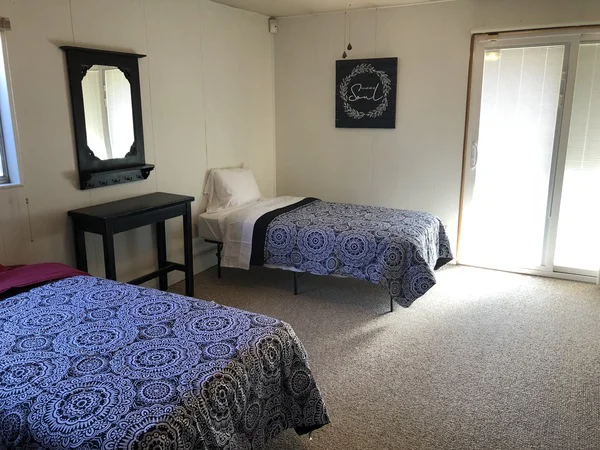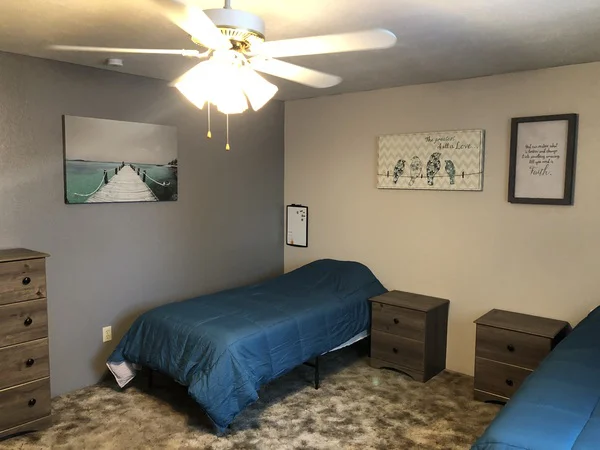
Embarking on the journey of recovery from substance abuse is one of the most courageous and transformative decisions a person can make. For individuals seeking sobriety in Boise and its surrounding communities, establishing a firm foundation of structure and routine is vital for achieving and sustaining long-term success. Whether you’re searching for Boise sober living, exploring mens sober living home or womens sober living home options, or simply looking for a sober living home near me, understanding the role and significance of daily structure is key to recovery from drugs and alcohol.
This comprehensive guide explores why structure and routine are crucial in recovery, how they benefit residents of Boise recovery homes, and practical strategies to help build a healthy, sustainable sober lifestyle.
What is Structure and Routine in Sobriety?
In sobriety, structure means creating an organized framework or schedule that guides your daily activities, decisions, and priorities. **Routine** is the habitual practice of these planned activities, making them consistent parts of your day.
Many individuals battling addiction experience chaotic, unpredictable lifestyles that cause stress and anxiety. Recovery requires rebuilding trust with oneself and creating a dependable new normal. Structure and routine provide this sense of order and predictability, which help both the brain and body heal from the effects of substance abuse.
—
Why Structure and Routine Are Critical in Recovery From Substance Abuse
Recovery is a profound life transition. Many people in **Boise recovery homes** and elsewhere quickly discover that without structure, the temptation to relapse rises sharply. Let’s dive deeper into why structure and routine are indispensable.
1. Establishing Stability in a New Lifestyle
Addiction often causes loss of control and unpredictability in a person’s life. When sobriety begins, it can feel overwhelming to adjust to this “blank slate.” A structured routine provides a reliable daily framework that grounds the individual in consistency and safety.
For example, many residents in Boise sober living homes wake at the same time, eat meals together, attend therapy or education sessions, perform chores, and participate in social support activities. This regularity supports mental equilibrium and helps develop healthy habits.
2. Reducing Risk of Relapse Through Engagement
Idle time and unstructured hours often lead to boredom—a major trigger for cravings and relapse. Keeping busy with positive, meaningful activities fills these vulnerable time slots with recovery-supportive actions.
Engaging in exercise, attending support meetings like AA or NA, taking part in educational workshops, or volunteering are ways sobriety can be enriched through structured days. Many Boise recovery homes incorporate diverse daily activities to enable residents to stay connected and prevent dangerous isolation.
3. Building Healthy, Positive Habits
Sobriety is much more than abstaining from substances; it’s about creating a new lifestyle filled with healthy patterns. Routine supports the formation of these habits, such as:
– Regular sleep schedules to improve brain function and emotional regulation
– Consistent balanced nutrition to restore physical health
– Daily physical exercise for mood management and energy
– Attending therapy, counseling, or 12-step meetings to address emotional and psychological needs
– Mindfulness and meditation to build resilience against urges
These habits collectively improve resilience and help maintain emotional stability during the challenging recovery process.
4. Providing Purpose and Motivation
Feelings of purposelessness or emptiness are common in early recovery. Structure breaks down the journey into manageable daily goals and tasks. Completing chores, attending meetings, or even journaling creates a sense of accomplishment and forward momentum.
One client at Phoenix House shared:
*”Having a set routine—waking up, working out, going to group therapy—not only kept me busy but gave me confidence that I could live a normal, fulfilling life sober.”*
5. Enhancing Emotional Regulation and Coping Skills
In recovery from substance abuse, managing emotions without turning to drugs or alcohol is critical. Structure and routine provide opportunities to practice healthy coping skills consistently. For example, scheduling regular therapy or mindfulness practice helps individuals recognize triggers and respond with constructive actions rather than relapse.
6. Building Community and Accountability
Sober living homes thrive on community support. Structured routines often include group meals, shared chores, and peer support meetings that foster connection, reduce isolation, and create accountability. This sense of belonging and mutual responsibility greatly encourages sustained sobriety.
—
How Structure and Routine Are Implemented in Boise Sober Living Homes
Sober living homes in Boise, such as Phoenix House, build their programs around structured routines that balance personal responsibility with community support. These homes provide a bridge from rehab to independent life by offering a predictable, supportive environment.
Key elements often include:
– Consistent wake-up and lights-out times to promote healthy sleep
– Group therapy and educational sessions daily or weekly to build skills
– Assigned chores fostering accountability and skill development
– Wellness-oriented activities such as yoga, meditation, or outdoor recreation
– Regular peer support meetings and community events to cultivate connection
The presence of routine combined with peer and staff support significantly reduces relapse rates and helps residents rebuild life skills.
—
Tailoring Structure for Men’s and Women’s Sober Living Homes
Successful recovery programming reflects the specific needs of men and women. **Mens sober living homes** and **womens sober living homes** often provide differentiated routines to maximize growth and healing.
Men’s Sober Living Home Routines
Men’s programs may emphasize physical fitness regimens, vocational training, and group discussions focused on topics like anger management and emotional regulation. These structures foster self-discipline and promote healthy masculine identity development separate from addiction.
Women’s Sober Living Home Routines
Women’s homes often integrate trauma-informed care due to the higher prevalence of trauma history among women in recovery. Their routines might include therapeutic art, parenting classes, wellness workshops, and supportive group work to address emotional healing and empowerment.
Both men’s and women’s homes prioritize community-building while identifying unique supports necessary for long-term success.
The Science Behind Routine and Its Impact on Recovery
The brain’s neuroplasticity means it can heal and rewire itself after addiction damage, but this process requires repetition and consistency. Structure and routine support the formation of new neural pathways associated with healthy behaviors, helping to rebuild the brain’s reward system.
Research shows that establishing habitual practices like exercise, mindfulness, and therapy attendance strengthens these pathways, making sobriety sustainable. Without routine, the risk of slipping back into old, destructive habits greatly increases.
—
Practical Steps to Build a Daily Routine for Recovery from Drugs and Alcohol
Building a healthy routine feels overwhelming at first but can be broken into manageable steps:
1. Set Regular Wake-Up and Bedtimes
Aim to go to bed and rise at the same times daily to support the natural sleep-wake cycle.
2. Plan Balanced Meals
Eat nutritious food at predictable times to stabilize blood sugar and energy.
3. Exercise Daily
Incorporate at least 20–30 minutes of physical activity, whether walking, yoga, or weight training, to boost mood and reduce anxiety.
4. Attend Support Meetings
Make attendance at meetings like AA or SMART Recovery a fixed weekly appointment.
5. Commit to Therapy or Counseling
Ensure regular sessions with a licensed therapist or counselor to address underlying issues.
6. Engage in Meaningful Activities
Dedicate time to hobbies, volunteering, or skill-building to restore purpose.
7. Practice Mindfulness or Meditation
Spend daily time in mindful breathing or meditation to reduce stress.
8. Keep a Journal or Planner
Track your daily activities and emotions to increase self-awareness and accountability.
9. Set Recovery Milestones and Celebrate Achievements
Incorporating goal-setting into your routine helps maintain motivation. Setting short-term and long-term recovery milestones provides clear progress markers. Celebrate achievements such as 30 days, 90 days, or six months sober to reinforce your commitment.
—
Overcoming Common Barriers to Routine
Many individuals face setbacks when adopting new habits. Common challenges include resistance to change, emotional fluctuations, low motivation, or external stress.
Tips to overcome these include:
– Start small—introduce one new habit at a time
– Use support networks like sponsors, counselors, or house managers
– Celebrate small milestones to maintain motivation
– Build accountability by sharing goals with trusted peers
Remember, slips are part of the process. Consistency—not perfection—is the key to lasting recovery.
—
Why Choosing the Right Sober Living Home Matters
A well-structured sober living home can be the difference between sustained recovery and relapse. When searching for a sober living home near me, consider the extent to which the home offers a clearly defined routine, community engagement, support services, and accountability.
Phoenix House in Boise offers gender-specific sober living homes blending structured days, therapeutic support, and peer engagement. This holistic approach sets residents up for long-term success.
—
A Typical Day at Phoenix House
Here is what a day at Phoenix House might look like:
– **7:00 AM** – Wake-up and personal hygiene
– **7:30 AM** – Group breakfast and house meeting
– **9:00 AM** – Therapy or educational session
– **11:00 AM** – Physical fitness or mindfulness activity
– **12:30 PM** – Lunch
– **2:00 PM** – Life skills training or vocational workshop
– **4:00 PM** – Chores and community upkeep
– **6:00 PM** – Dinner with housemates
– **7:30 PM** – Support group or guest speaker meeting
– **9:00 PM** – Journaling or meditation
– **10:00 PM** – Lights out
This dependable routine instills discipline, fosters connection, and reduces relapse risk.
—
Real-Life Success Story
James, a former resident of Phoenix House’s mens sober living home, shares:
*”Before coming here, my life was a mess—no schedule, no goals. The routines helped me find stability. Every day had purpose, and being accountable to others made me want to do better. Today, I’m working full-time and rebuilding relationships I thought were lost forever.”*
Stories like James’s reflect the power of structure and community in healing from substance abuse.
—
Community Support Beyond the Home
In addition to routine, community support plays a key role in sustaining recovery. Many residents of **Boise recovery homes** find strength through local 12-step groups, sober events, and volunteering opportunities that extend beyond the home. Participating in these community activities fosters belonging and purpose, essential pieces of a strong recovery foundation.
—
Conclusion
Recovery from drugs and alcohol is a journey requiring more than just willpower—it demands an intentional, structured approach to everyday living. Structure and routine provide the foundation for healing, stability, and the re-creation of a rewarding sober lifestyle.
For those searching for reliable sober living options in Boise, whether a mens sober living home or womens sober living home, Phoenix House offers safe, supportive, and structured environments that empower recovery.
—
Additional Resources
– [Substance Abuse and Mental Health Services Administration (SAMHSA) – Recovery and Wellness](https://www.samhsa.gov/find-help/recovery)
– [National Institute on Drug Abuse (NIDA) – Principles of Drug Addiction Treatment](https://www.drugabuse.gov/publications/principles-drug-addiction-treatment)