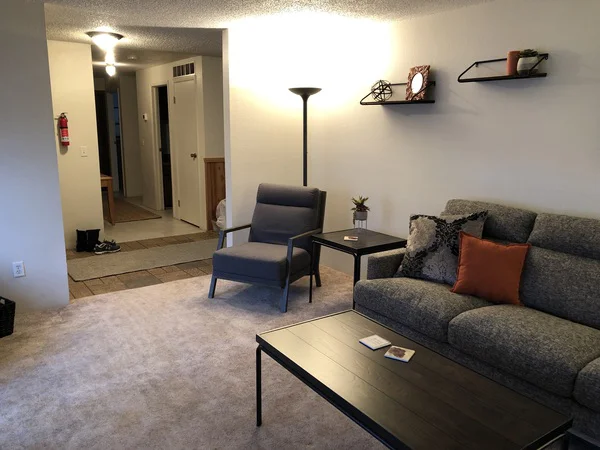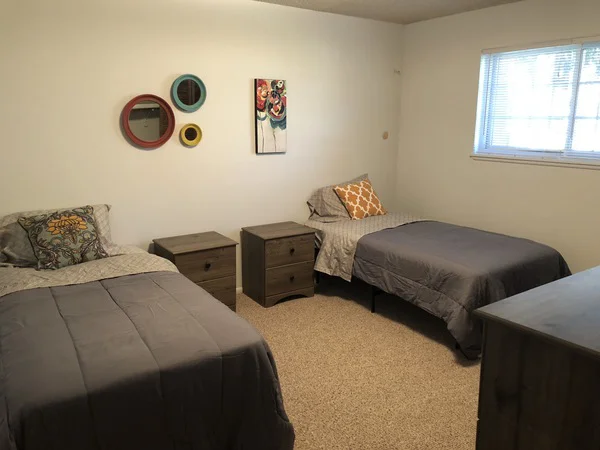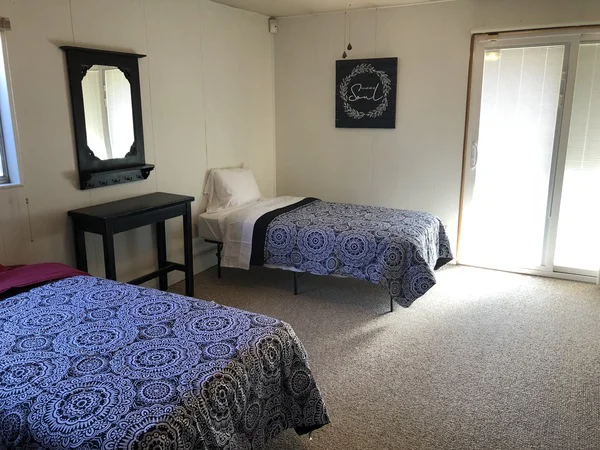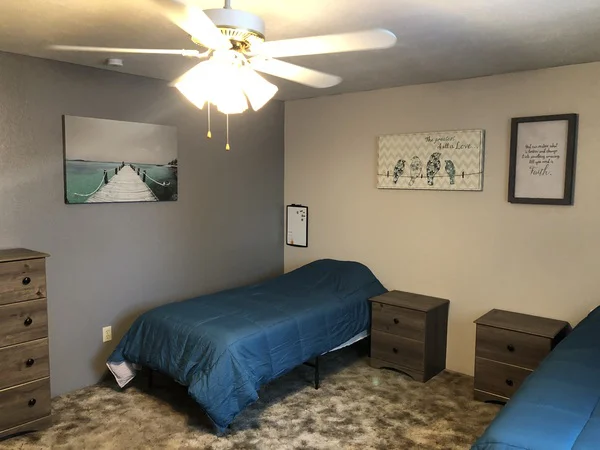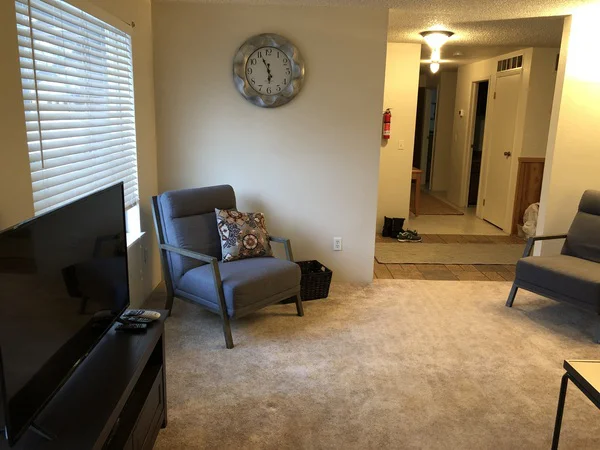
Choosing the right living arrangement during recovery can significantly impact a person’s long-term success. Many individuals entering sober living homes wonder whether it’s better to have a private room or to live in a shared room. While private rooms offer privacy and solitude, at Phoenix House, we deeply believe that shared rooms with accountability offer a more effective environment for sustaining sobriety. Here’s an in-depth look at why shared living arrangements can make a powerful difference in recovery.
Built-In Support System
Recovery is a challenging journey, and having a strong network of support can be the difference between relapse and resilience. When living in a shared room, residents have immediate access to peers who understand the struggles and triumphs of sobriety. This daily contact fosters a sense of belonging and connection that is vital during early recovery.
Roommates naturally become pillars of encouragement, celebrating milestones and providing gentle reminders when someone is slipping. This peer support is often more relatable and impactful than traditional therapy since it comes from shared personal experience.
Enhanced Accountability
One of the most significant challenges in recovery is maintaining accountability outside of a structured treatment program. Shared rooms create a natural system of accountability because residents are continuously aware of each other’s behaviors and daily routines.
When someone knows their actions affect not just themselves but their roommates, there is a stronger incentive to adhere to the rules of sobriety. This shared responsibility cultivates discipline and honesty, reducing the temptation to isolate or give in to negative impulses. Having others watch out for you can be a powerful deterrent against relapse, especially in moments of vulnerability.
Development of Essential Life Skills
Living in a shared room environment encourages the development of critical life skills that support long-term success beyond recovery. Residents learn how to communicate effectively, practice compromise, manage conflicts, and respect others’ boundaries. These interpersonal skills are essential for rebuilding relationships with family, friends, and workplaces.
Private rooms may provide comfort and solitude but often miss this opportunity for social growth. By navigating the challenges of shared living, individuals prepare themselves for a healthy return to society with stronger emotional intelligence and adaptability.
Structured and Safe Environment
Shared rooms often promote a more structured and safe living environment. It’s easier for staff and residents to monitor behavior and quickly identify any warning signs of struggles or relapse. The collective responsibility encourages residents to stick to house rules, attend meetings, and participate actively in recovery programs.
This structured environment not only supports sobriety but also reduces feelings of isolation, which is a common trigger for relapse. Shared accountability keeps residents engaged and motivated.
Cost-Effective Option
For many, the financial aspect of recovery housing is an important consideration. Shared rooms typically cost less than private rooms, making quality sober living more accessible to more people. Lower housing expenses allow residents to allocate resources to other aspects of their recovery, such as counseling, healthcare, or education.
Affordable shared living arrangements also alleviate stress related to finances, which can negatively impact mental health and recovery efforts.
Fostering a Sense of Community
Living in a shared room encourages the creation of a close-knit community, where residents forge meaningful friendships and a sense of unity. This communal atmosphere reduces loneliness and promotes collective healing.
Shared experiences, group activities, and peer encouragement help residents stay focused on their recovery goals and celebrate each other’s progress. This sense of community can become a lifelong source of strength and support.
—
At Phoenix House, we design our sober living homes to maximize the benefits of shared living arrangements. We believe accountability, connection, and community are central to long-term recovery success. If you or a loved one are exploring sober living options, consider the unique advantages that shared rooms with accountability can offer on the path to sustained sobriety.